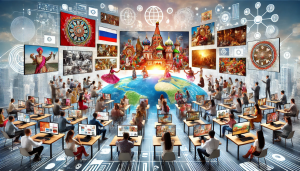
The Ever-Evolving World of Entertainment: A Deep Dive into Its Impact and Future
Entertainment – an important aspect of human civilization Entertainment has always been an integral part of human society. From ancient storytelling around campfires to the latest blockbuster films and video games, entertainment has always not just been about reflecting a culture, but shaping it. In this digital world, entertainment is no longer synonymous with the traditional television or cinema. It covers everything from streaming services and esports to virtual reality experiences and social media content. We are dedicating this issue to the evolution, effect and future of entertainment in the 21st century.
Entertainment Through the Ages
Originally, entertainment was a group event. Theater, music and dance were storytelling and community-making devices. The printing press brought books to the masses and literature was now a form of entertainment. The 20th century changed entertainment forever with the introduction of radio, television and film, allowing individuals to experience content from the privacy of their homes.
The internet, which rose to popularity in the late 20th century, was another sea change. YouTube, Netflix and Spotify disrupted old media. All of a sudden, people could reach a massive library of content from anywhere. The power moved out of the hands of the producers and into those of the consumers now allowed to build their own entertainment experiences.
The Role of Television and Technology in Entertainment
Tech has fueled the entertainment industry of today. High-speed internet, smartphones, and smart TVs have made entertainment more ubiquitous and personalized. Lists of users’ favourite songs are used to generate recommendations of personalized-content. Streaming services have become a smart alternative to cable TV for many households: They’re less expensive and more flexible, with fewer advertisements.
Video games have become these very narrative-focused, and completely mesmerizing and engrossing story lines that really compete with Hollywood movies in terms of production value and the way they tell a story. Esports tournaments pack arenas and draw millions of online viewers. Augmented reality (AR) and virtual reality (VR) are exploring new forms of interactive entertainment, from virtual concerts to VR escape rooms.
Or it would be AI. From deepfake made hyper real visuals, to music and scripts which are AI generated, the limits of creativity are being stretched as never before.
The Role of Social Media
Social media platforms have emerged as powerhouses in the entertainment industry. TikTok, Instagram, YouTube and Twitter are not only forums for socializing, but global stages where people can become content creators anywhere there is an internet connection. Influencers and streamers have grown huge audiences by churning out shareable, bite-sized content. Platforms, however, add value themselves by sharing access to the revenue, giving rise to a new kind of entertainer that succeeds outside of old industry systems.
Perhaps one of the fastest-growing trends is live streaming. Whether it’s a gamer streaming the latest release on Twitch or a celebrity offering a window into their life on Instagram Live, live content fosters a sense of connection and community that video-on-demand just can’t match.
Coping And Self-Help Strategies Through Entertainment And Mental Health
Entertainment is not only escape, joy and creativity; it also presents challenges, especially when it comes to mental health. Screen addiction, social media comparison and even binge-watching are growing problems. Research has suggested that too much time online may be detrimental to sleep, productivity and mental well-being.
However, entertainment can also be healthful. Music, movies and games can help calm stress, provide emotional catharsis and even aid in healing. Closure for millions around the world came in the form of entertainment during the COVID-19 pandemic as it became their crutch to look normalcy and find solace.
The Business of Entertainment
Entertainment is a multi-billion-dollar international business. Movie production companies, music production companies, streaming industry players, gaming players rake in billions on a yearly basis. Content now moves faster, and travels further, than ever before in an era of globalization. Overnight a Korean drama can be a world-wide hit, or Bollywood can shatter screens at the US box office.
The shift to digital has changed how money is made. New “economies” have also arisen, for subscription models, pay-per-view, in-app purchases, advertising, and partnership arrangements. Businesses use data analytics to inform key decisions by gaining insight into what content is working, and why.
The Emergence of Interactive and Immersive Worlds
The rise of interactive content is one of the more interesting developments in entertainment. Shows that are Choose Your Own Adventure-y, like Netflix’s Black Mirror: Bandersnatch, allow you to guide the story. There’s boundless potential for user-generated content and all kinds of community engagement with games like Fortnite and Minecraft.
Meanwhile, VR and AR are changing how you experience stories. With VR movies and AR-enhanced museum tours, the line between the physical world and the digital is becoming increasingly blurry when it comes to entertainment.
The Importance of Entertainment as a Cultural Construct
Entertainment isn’t only fun; it’s a mirror of society, its values, struggles and aspirations. Movies, TV shows, songs and video games frequently portray concerns such as race, gender, politics and mental health as they are playing out in the world at the time. They can educate, they inspire, and they ignite social movements.
For example, shows such as 13 Reasons Why started a national discourse on teen mental health, while films, such as Black Panther, served as cultural touchstones and celebrated representation and diversity.
Next Things Next: Trends to Watch in Entertainment
- As we move forward, these are the trends that will probably help decide the future of entertainment:
- Personalization: Content will also be personalized more and more to suit individuals through stronger AI and machine learning.
- Virtual Reality: Look for more interactive, immersive VR and AR content as technology gets into the hands of more and more people.
- I. Decentralized Content Creation: Blockchain has the potential to completely disrupt the way content can be monetized, giving creators more power and stake in their work.
- Cross Platform Experiences : Entertainment will blur and blend across platforms watching, playing and engaging will all become frictionless.
- Long-Term Sustainable Production: Studios will no longer look the other way as digital transformation gears help to make more productions without tons of people or carbon costs.
Conclusion
Entertainment is more than a form of fun — it’s a social and emotional experience that we rely on to connect, teach, explore new ideas, understand others, express ourselves and be understood. And as technology progresses, the way we consume and produce that content will too. Whether it is an addictive movie, an irresistible TikTok dance or a mind-bending experience in virtual reality — entertainment illuminates the day-to-day experience of humans in ways that are both obvious and easy to overlook.
Trail marker Its reach extends through culture, business and psychology, a signal that last year’s entertainment is not mere distraction but part of life. It’s a constantly shifting reflection of human creativity and connection — one that will only become more varied and dynamic in the years ahead.
Do you need a wordy or jargon-filled post about this article to share with a blog, publication, or one of your social networks?