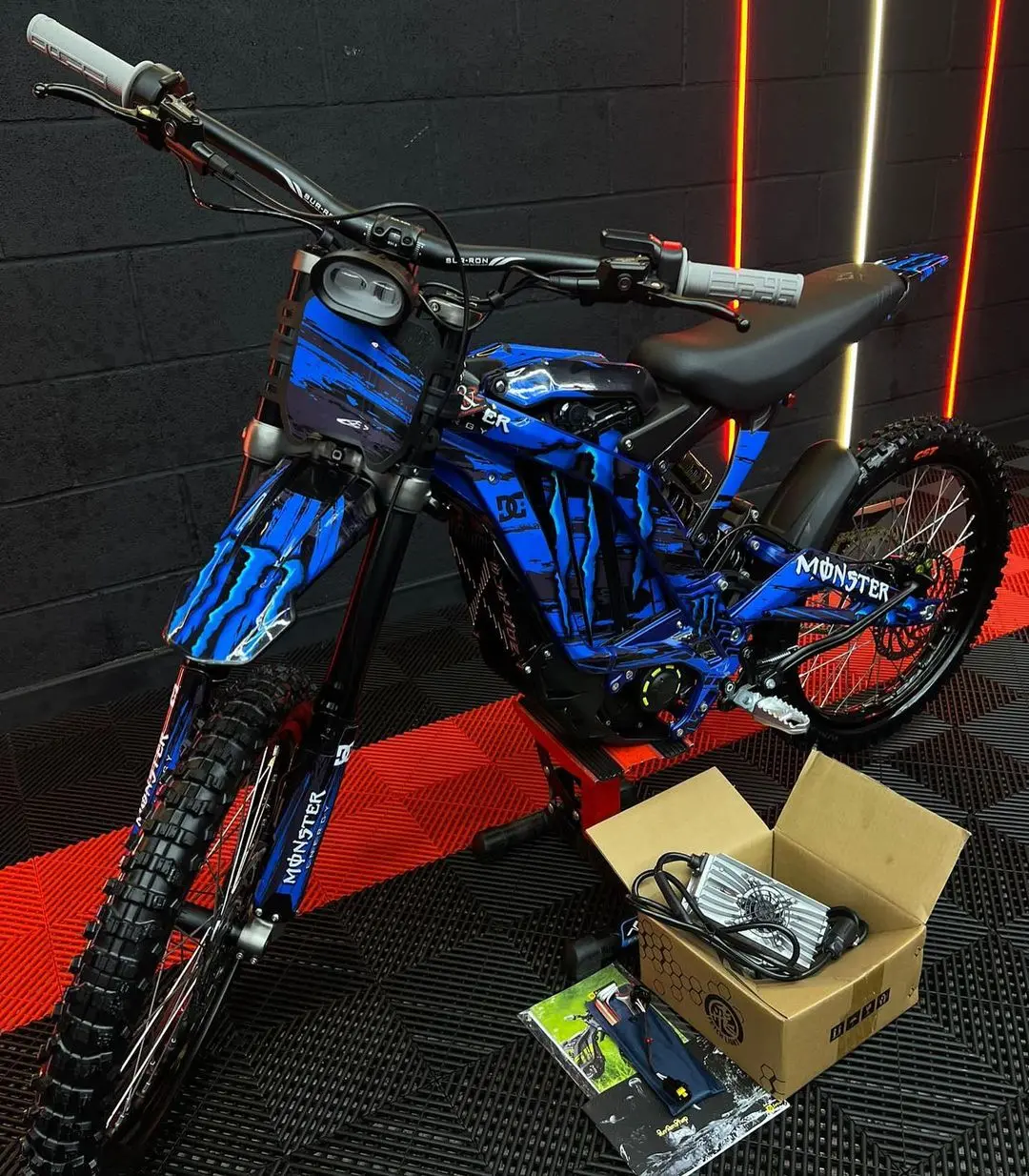
Surron E Bike Off-Road Riding Techniques and Tips for 2025
The Surron bike and Surron e bike are designed to excel in off-road adventures, offering riders power, agility, and durability. In 2025, mastering off-road riding techniques is essential to fully enjoy your e bike while maintaining safety. From rocky trails to forest paths and sandy dunes, proper skills improve control, efficiency, and overall experience.
1. Understanding Your Surron E Bike
Before attempting advanced off-road riding:
- Know Your Motor and Battery: Understand torque, throttle response, and range.
- Check Suspension and Tires: Make sure both are adjusted for terrain.
- Weight Distribution: Learn how your body weight affects handling.
- Ride Modes: Switch between eco, standard, and sport depending on terrain and skill.
Familiarity with your bike ensures better control and safer riding.
2. Proper Body Positioning
Body posture is crucial for off-road control:
- Standing on Pegs: Stand slightly on the pegs to absorb shocks and maintain balance.
- Forward Lean: Lean forward uphill to keep the front wheel grounded.
- Backward Lean: Shift weight backward during steep descents to prevent flipping.
- Relaxed Arms and Knees: Slight bend absorbs bumps and improves reaction.
- Look Ahead: Focus on the path ahead, not directly at obstacles.
Good body positioning improves stability, traction, and obstacle navigation.
3. Throttle Control
Smooth throttle management enhances safety and efficiency:
- Gradual Acceleration: Avoid sudden bursts that may cause wheel spin.
- Adaptive Speed: Adjust throttle for terrain, incline, and traction.
- Eco Mode for Beginners: Helps maintain control and extend battery life.
- Sport Mode for Experienced Riders: Provides maximum torque and speed for technical trails.
Mastering throttle control reduces risk of accidents and battery drain.
4. Braking Techniques
Braking is critical on uneven terrain:
- Front and Rear Balance: Use both brakes simultaneously for controlled stops.
- Progressive Pressure: Avoid sudden hard braking to prevent skidding.
- Downhill Braking: Feather brakes on descents to maintain traction.
- Brake Practice: Test braking in a safe area to build confidence.
Proper braking ensures control and prevents crashes in challenging conditions.
5. Cornering and Turns
Navigating turns on trails requires skill:
- Slow Entry: Reduce speed before entering tight corners.
- Lean With Bike: Shift body into the turn while keeping weight balanced.
- Throttle on Exit: Gradually accelerate when leaving the corner.
- Look Through the Turn: Your bike will follow your line of vision.
Cornering techniques improve maneuverability and speed control.
6. Handling Obstacles
Off-road trails often have rocks, roots, and drops:
- Rocky Terrain: Stand on pegs, keep knees flexible, and maintain steady throttle.
- Roots and Logs: Lift front wheel slightly to avoid snagging.
- Mud and Sand: Use smooth throttle, maintain momentum, and avoid sudden braking.
- Small Jumps: Absorb impact with knees and arms, land softly on pegs.
Obstacle handling increases confidence and prevents bike damage.
7. Suspension Adjustment Tips
Proper suspension setup enhances control:
- Trail-Specific Tuning: Softer suspension for rocky terrain, stiffer for jumps.
- Preload and Damping: Adjust for rider weight and terrain conditions.
- Regular Checks: Ensure shocks and forks are lubricated and leak-free.
Correct suspension adjustment improves ride comfort and stability.
8. Battery and Energy Management
Off-road riding consumes more battery:
- Monitor Battery Levels: Plan route according to remaining charge.
- Eco Mode Usage: Conserve energy on less technical sections.
- Avoid Over-Revving: Excessive acceleration drains battery quickly.
- Plan Charging Stops: For long trails, identify locations to recharge or swap batteries.
Efficient energy management allows longer rides without interruption.
9. Safety Gear and Protective Equipment
Protection is mandatory for off-road riding:
- Helmet: Full-face recommended for technical trails.
- Gloves and Boots: Prevent injuries from falls and debris.
- Body Armor: Chest, elbow, and knee protection essential for rocky trails.
- Eye Protection: Goggles shield eyes from dust, dirt, and branches.
Safety gear ensures minimal injury risk during high-intensity riding.
10. Practice and Skill Development
Consistent practice builds competence:
- Beginner Trails: Start with mild paths to build balance and confidence.
- Progressive Challenge: Gradually increase trail difficulty.
- Skill Drills: Practice cornering, braking, and obstacle navigation in controlled environments.
- Group Riding: Learn from experienced riders and improve technique.
Continuous practice ensures better control, faster reaction, and safer riding.
Conclusion
Mastering off-road riding techniques on a Surron bike or Surron e bike in 2025 enhances safety, confidence, and enjoyment. By understanding your bike, maintaining proper body positioning, controlling throttle, practicing braking, cornering, and obstacle navigation, adjusting suspension, managing battery, wearing protective gear, and practicing consistently, riders can explore trails with skill and efficiency.
Whether tackling rocky mountains, forest paths, or sandy dunes, applying these techniques ensures every off-road adventure is thrilling, safe, and rewarding, making Surron e bikes the ideal choice for both beginners and seasoned off-road enthusiasts.