Everest Base Camp Trekking: A Journey to the Top of the World
Everest Base Camp trekking is one of the most sought-after treks in the world, attracting adventurers and mountaineers from all corners of the globe. This trek offers a unique combination of rugged mountain terrain, cultural richness, and an opportunity to stand at the foot of Mount Everest, the highest point on Earth. For those who dream of experiencing the Himalayas firsthand, the Everest Base Camp trek is an unforgettable journey that tests both physical endurance and mental strength.
The Trek: Overview and Route
The journey to Everest Base Camp (EBC) typically spans 12 to 14 days, depending on your pace and acclimatization needs. Starting in Kathmandu, the capital of Nepal, trekkers fly to Lukla, a small mountain town with one of the world’s most dangerous airports. From Lukla, the trekking adventure begins, passing through small villages, dense forests, and across rivers, with constant views of towering peaks.
The trail follows a classic route through places like Phakding, Namche Bazaar, Tengboche, Dingboche, and Lobuche before finally reaching the Everest Base Camp at 5,364 meters (17,598 feet). The trek is not only a test of endurance but also an exploration of the Sherpa culture. Namche Bazaar, the region’s largest town, serves as a critical acclimatization point and provides trekkers with a chance to rest and prepare for the higher elevations.
Acclimatization: A Vital Part of the Journey
One of the most important aspects of Everest Base Camp trekking is acclimatization. The trek involves ascending to high altitudes, and the air becomes thinner as you get higher. At Everest Base Camp, oxygen levels are significantly lower than at sea level, and if trekkers do not give their bodies enough time to adjust, altitude sickness can set in.
To prevent this, the trek is designed with acclimatization days built in, especially in places like Namche Bazaar and Dingboche. On these rest days, trekkers explore surrounding areas at higher altitudes but return to lower elevations to sleep. This strategy allows the body to adjust to the altitude and reduces the risk of altitude sickness.
Scenic and Cultural Highlights
The Everest Base Camp trek offers much more than just incredible mountain views. The trek provides a deep dive into Sherpa culture, a culture that has evolved in close connection with the mountains and Buddhism. Along the trail, trekkers will encounter beautiful Buddhist monasteries, such as the Tengboche Monastery, which offers spectacular views of Ama Dablam and is a place of spiritual importance to the Sherpa people.
The small villages along the trek, such as Phakding, Lukla, and Dingboche, offer a glimpse into the simple yet rich lifestyle of the Sherpa community. You’ll see prayer wheels, prayer flags, and stupas, symbols of the local Buddhist traditions that fill the landscapes. The Sherpas, known for their kindness and hospitality, will often share stories and offer guidance along the way.
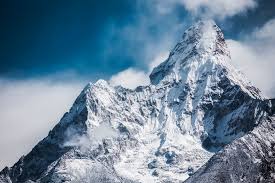
The views are, of course, the biggest highlight. The Himalayan peaks including Mount Everest, Lhotse, Nuptse, and Ama Dablam tower above, providing jaw-dropping panoramas. The hike to Kala Patthar, at an elevation of 5,545 meters (18,192 feet), is one of the most rewarding parts of the trek, offering one of the best views of Everest.
The Challenge of the Trek
Everest Base Camp trekking is not a technical climb but rather a challenging hike that demands physical fitness and mental determination. The steep ascents, combined with the high altitude, make this trek a test of endurance. Daily trekking hours range from 4 to 8 hours, and the terrain can be difficult, with rocky paths, slippery slopes, and steep inclines.
The trek’s gradual nature, with regular breaks and acclimatization stops, helps reduce the risks associated with altitude. However, the challenge is still considerable, and proper preparation is essential. Trekking in a group with a guide and porter is highly recommended, as the guide can help with navigation and provide safety information, while the porter carries your gear, allowing you to focus on the hike.
Best Time to Trek
The ideal times to embark on the Everest Base Camp trek are during spring (March to May) and autumn (September to November). These seasons offer the most stable weather with clear skies and mild temperatures. The spring season is particularly stunning as the rhododendrons bloom, creating vibrant colors along the trail. Autumn brings crisp air and optimal visibility for mountain views.
Winter trekking is possible but can be extremely cold, especially at high altitudes. Summer monsoons (June to August) bring rain and the risk of landslides, making this an unsuitable time for the trek.
Conclusion
Lukla Flight is a journey that combines natural beauty, physical challenge, and cultural immersion. Whether it’s the stunning mountain views, the camaraderie with fellow trekkers, or the profound experience of walking in the footsteps of the world’s greatest mountaineers, the trek offers something unique for every adventurer.
The sense of achievement when you stand at the foot of Mount Everest is unparalleled. The trek provides more than just a chance to see the highest point on Earth; it’s an opportunity to experience the raw beauty of the Himalayas and the warmth and resilience of the people who call these mountains home. For anyone with a passion for adventure, the Everest Base Camp trek is truly a life-changing experience.